Teen Mental Health Crisis in California Schools
June 3, 2026 · 7 min read
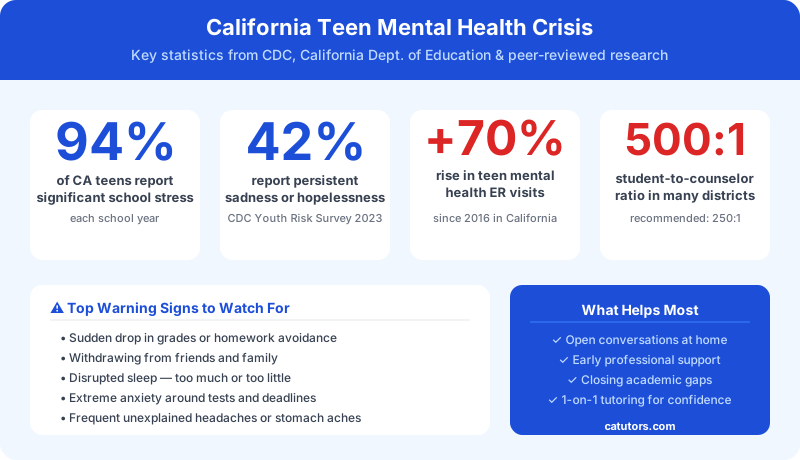
Teen mental health in California is at a breaking point. Research from the CDC shows that nearly 94% of high school students report significant stress during the school year — and for many, that stress has crossed into anxiety, depression, and burnout. California's academic culture is intensely competitive, particularly in cities like Los Angeles, San Jose, and San Francisco, where university admissions pressure starts as early as middle school. Parents and educators are sounding the alarm. This guide explains what is driving the crisis, how to spot the warning signs in your own teenager, and what practical steps California families can take right now.
1. The Scale of the Teen Mental Health Problem in California
The numbers are striking. According to the CDC's 2023 Youth Risk Behavior Survey, 42% of US high school students reported persistent sadness or hopelessness — a figure even higher in California's high-pressure districts. Emergency room visits for adolescent mental health crises in California have risen 70% since 2016. Teen mental health issues are no longer edge cases; they are the norm in classrooms from Fresno to Los Angeles. School counselors in many districts carry caseloads of over 500 students — more than double the recommended ratio of 1 to 250. The result is that most struggling teens never receive the support they need during the school year.
2. Why California Teens Are Under So Much Pressure
California's school system demands a great deal from teenagers. The UC and CSU systems are highly competitive, and students in wealthier districts often feel they must take multiple AP courses, maintain a near-perfect GPA, lead extracurriculars, and prepare for the SAT or ACT — all simultaneously. For teens in lower-income households, financial anxiety compounds academic stress. Social media amplifies every setback. A bad test result is no longer a private struggle — it is measured against a classmate's post about college acceptances. This constant comparison is corrosive to self-esteem. Many teens in California enter high school already exhausted from a middle school schedule that would challenge most adults.
3. Warning Signs Every California Parent Should Know
Teen mental health problems rarely announce themselves clearly. Most parents notice something is wrong weeks or months after it began. Watch for a sudden drop in grades, withdrawal from friends or family, changes in sleep patterns, loss of interest in activities they previously loved, irritability that seems out of proportion to events, and frequent physical complaints like headaches or stomach aches with no medical cause. For California students specifically, look for signs tied to academic performance — avoidance of homework, refusal to attend school, or extreme distress around tests and deadlines. These are not personality flaws. They are signals that a young person is overwhelmed.
- Sudden drop in grades or refusal to complete homework
- Withdrawing from friends, family, or hobbies they once loved
- Disrupted sleep — sleeping far too much or too little
- Frequent unexplained headaches or stomach aches
- Extreme anxiety around tests, deadlines, or school events
- Expressions of hopelessness about the future or their abilities
4. The Link Between Academic Struggle and Teen Mental Health
Academic failure and mental health problems feed each other in a cycle that is hard to break without outside support. A student who is anxious cannot focus in class, falls further behind, becomes more anxious, and eventually avoids studying altogether. California's fast-paced curriculum — especially in mathematics and sciences — means that a few weeks of disengagement can create gaps that take months to close. When a student falls behind their peers, shame and avoidance set in. Many teenagers would rather pretend not to care about school than admit they are lost. Addressing the academic gap directly through one-on-one support often reduces anxiety faster than counselling alone.
Get academic support for your teen:
5. What California Schools Are Doing — And Where They Fall Short
California has taken steps to address teen mental health. Senate Bill 224 expanded mental health days as valid school absences. The state invested $4.6 billion in the Master Plan for Kids' Mental Health between 2021 and 2026. Many districts added social-emotional learning programmes and peer support groups. However, implementation is inconsistent. Rural districts in the Central Valley and low-income urban schools often lack the staff and funding to deliver meaningful support. The gap between policy and reality remains wide. Most of the burden falls on families to identify problems and seek help independently — a significant ask for parents who are already stretched thin.
6. How Families Can Support Teen Mental Health at Home
Parents have more influence than they often realise. The most protective factor for teen mental health is a strong, open relationship with at least one caring adult. Create regular low-stakes opportunities for conversation: car rides, cooking together, a walk without phones. Avoid making school performance the primary topic of every interaction. Ask about friendships, what they find interesting, and what worries them. Model healthy stress management yourself. If your teenager opens up about struggling, resist the urge to immediately solve the problem. Listen first. Validate their experience before offering advice or contacting the school. Being heard is often what a teenager needs most.
7. When to Seek Professional Help
Some situations require professional support beyond what a parent or tutor can provide. If your teenager expresses thoughts of self-harm, shows signs of a serious eating disorder, or has been withdrawn for more than two weeks despite your efforts to connect, contact a mental health professional promptly. California has expanded access to youth mental health services through MediCal and the CalHOPE programme. Your child's school counselor can refer you to county mental health services. The 988 Suicide and Crisis Lifeline is available 24 hours a day. Early intervention consistently leads to better outcomes — do not wait for a crisis to escalate before seeking help.
8. How One-on-One Tutoring Supports Struggling Teens
A private tutor does more than close subject gaps. For many teens, a consistent, supportive adult who meets them where they are — without judgement, without a classroom of peers watching — is genuinely transformative. Tutors who work one-on-one often notice when a student is disengaged or anxious, and can adjust their approach accordingly. Rebuilding academic confidence is one of the fastest routes to improving a teenager's overall sense of wellbeing. When a student who has spent months feeling lost finally understands a difficult concept, the effect on their self-belief is immediate and lasting. That momentum often carries into other areas of school life.
Find tutoring support near you:
Teen mental health in California is a genuine crisis — but it is not hopeless. Parents who act early, schools that prioritise real support, and tutors who rebuild academic confidence alongside subject knowledge can together create conditions where more teenagers thrive. If you are worried about your child, start the conversation today and find the right academic and professional support to back it up.